
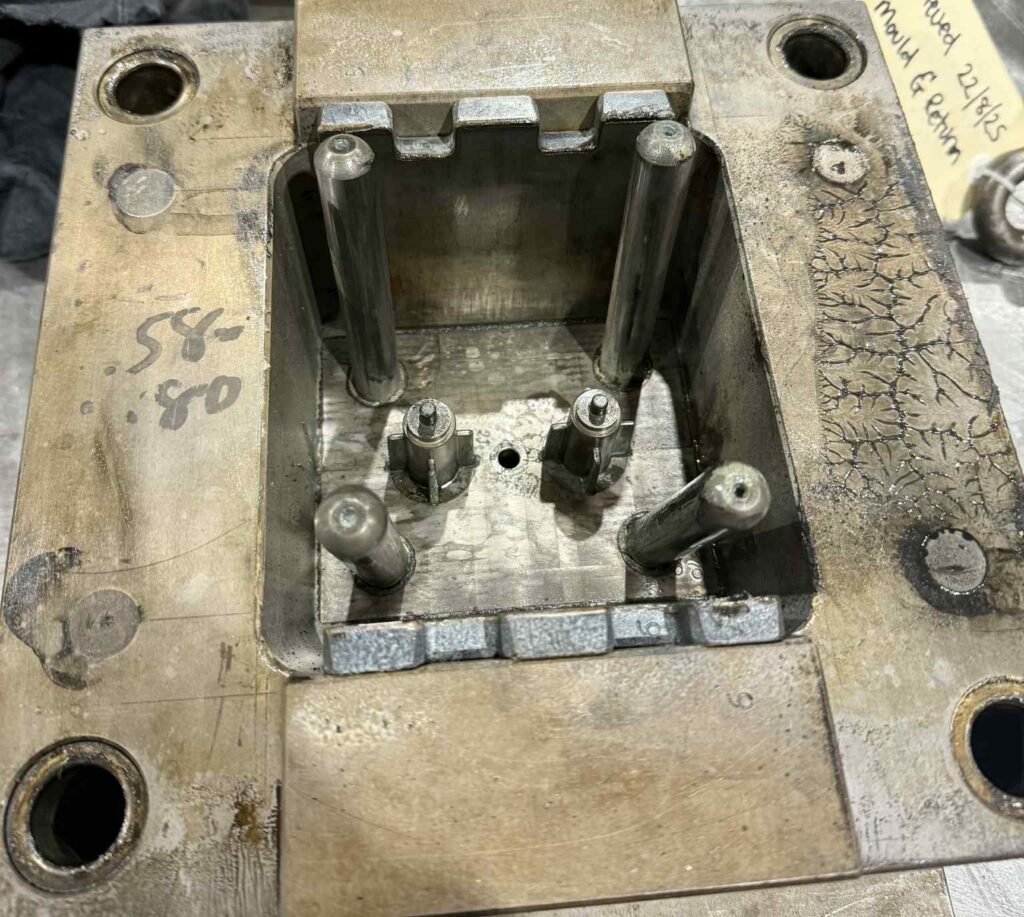
In an era where environmental responsibility isn’t just encouraged—it’s essential—Australian manufacturers face a critical question: Will you be part of the problem, or part of the solution? At PMG Engineering, a Melbourne-based plastic injection moulding specialist with over 30 years of experience, the answer is clear. Through innovative recycling programs, sustainable material selection, and waste management excellence, PMG is proving that high-quality plastic manufacturing and environmental stewardship can go hand in hand.
The Real Cost of Traditional Plastic Manufacturing
The plastics industry has long grappled with its environmental impact. From resource consumption to waste generation, traditional manufacturing processes have contributed significantly to global pollution. However, forward-thinking companies like PMG Engineering are rewriting this narrative by implementing comprehensive sustainability initiatives that don’t compromise on quality or performance.
PMG’s Approach to Waste Recycling and Circular Manufacturing
Turning Waste into Opportunity
At PMG Engineering, sustainability begins on the production floor. Products rejected due to quality defects, imperfections, or colour variations don’t end up in landfills. Instead, these materials are granulated and strategically reused to mould proprietary products suitable for recycled content—a practice known as regrind manufacturing.
This closed-loop approach serves multiple purposes:
Cost Efficiency: Reduces raw material expenses while maintaining quality standards
Environmental Impact: Diverts plastic waste from landfills and reduces virgin resin consumption
Resource Optimization: Maximizes the value extracted from every kilogram of material purchased
Carbon Footprint Reduction: Decreases the environmental cost associated with new resin production
While PMG primarily uses virgin raw materials to ensure optimal product performance, their proactive waste reduction strategy demonstrates that quality and sustainability aren’t mutually exclusive.
What is Sustainable Manufacturing? PMG’s Eco-Friendly Practices
Sustainable manufacturing goes beyond simple recycling—it’s a holistic approach that considers environmental impact at every stage of production. PMG Engineering’s sustainability framework includes:
Scrap Rate Management: Continuous process optimization to minimize material waste during production
Energy Efficiency: Operating 25 world-class injection moulding machines (15 to 850 tonne capacity) with optimal energy consumption
Local Production Benefits: Melbourne-based manufacturing eliminates carbon emissions from international shipping
Packaging Solutions: Collaborative approaches with suppliers to ensure sustainable packaging options
Quality Control: Rigorous standards that reduce defect rates and associated waste
Material Selection for Sustainability: Making the Right Choice
Choosing the right plastic resin is fundamental to both product performance and environmental responsibility. PMG Engineering works with a comprehensive range of materials, each with distinct sustainability profiles.
Polypropylene (PP): The Recyclable Workhorse
Polypropylene stands out as one of the most recyclable thermoplastics available. Lightweight, durable, and resistant to chemicals, PP is ideal for:
- Automotive components
- Packaging solutions
- Consumer goods
- Industrial containers
Sustainability Benefits: Highly recyclable, lower processing temperatures (reducing energy consumption), and excellent durability that extends product lifespan.
ABS (Acrylonitrile Butadiene Styrene): Strength Meets Versatility
ABS offers exceptional impact resistance and surface finish quality, making it popular for:
- Electronic enclosures
- Automotive interior components
- Toys and consumer products
- Household appliances
Sustainability Considerations: Good recyclability, can incorporate recycled content without significant performance degradation, and its durability reduces replacement frequency.
Nylon (Polyamide): Engineering Excellence
Nylon resins provide outstanding mechanical strength, heat resistance, and wear properties for demanding applications:
- Gears and bearings
- Automotive under-hood components
- Industrial machinery parts
- Medical device components
Sustainability Profile: Excellent longevity reduces replacement needs, can be recycled multiple times, and newer bio-based nylon variants offer renewable alternatives.
Bio-Based vs. Biodegradable Plastics: What PMG Recommends
Understanding the difference between bio-based and biodegradable plastics is crucial for making informed material decisions.
Bio-Based Plastics
These plastics are derived from renewable biological sources (plant materials, vegetable oils, corn starch) rather than petroleum. They may or may not be biodegradable. PMG recommends bio-based materials when:
- Long-term durability is required
- Reducing carbon footprint from raw materials is a priority
- Performance characteristics must match traditional plastics
- Products will be collected for recycling at end-of-life
Biodegradable Plastics
These materials break down through natural biological processes. However, specific conditions (temperature, moisture, microorganisms) are often required. PMG suggests biodegradable options for:
- Single-use applications where recovery isn’t feasible
- Products designed for industrial composting programs
- Applications in controlled disposal environments
- Projects where end-of-life degradation is specifically required
PMG’s Expert Recommendation: For most industrial and consumer applications, bio-based non-biodegradable plastics offer the best balance of environmental benefit and performance. They reduce reliance on fossil fuels while maintaining recyclability and durability. Biodegradable plastics should be reserved for specific applications with appropriate disposal infrastructure.
Metal-to-Plastic Replacement: Lightweight Innovation with Environmental Benefits
PMG Engineering has extensive experience helping clients transition from metal to plastic components—a shift that delivers both performance and sustainability advantages.
Weight Reduction Benefits
Replacing metal components with engineered plastics can reduce weight by 50-80%, delivering:
Transportation Efficiency: Lighter vehicles and products consume less fuel
Material Efficiency: Less raw material needed per component
Energy Savings: Lower processing temperatures than metal casting or forging
Corrosion Resistance: Eliminates need for protective coatings or treatments
Engineering Resins for Demanding Applications
PMG’s expertise in high-performance resins enables metal replacement in even the most demanding applications:
Polycarbonate (PC): Impact resistance for safety components
PC/ABS Alloys: Combines strength of PC with processability of ABS
PBT (Polybutylene Terephthalate): Electrical insulation and chemical resistance
Acetal (POM): Low friction for mechanical components
ASA: Outdoor weatherability with excellent UV resistance
Top 5 Engineering Resins for Medical and Medical Device Applications
The medical industry demands materials that meet stringent regulatory requirements while delivering reliable performance. PMG Engineering’s experience with medical-grade resins includes:
1. Medical-Grade Polycarbonate
Applications: IV connectors, surgical instruments, diagnostic equipment Benefits: Sterilization compatibility (autoclave, gamma, EtO), transparency, biocompatibility certifications
2. Polypropylene (Medical Grade)
Applications: Syringes, specimen containers, medical packaging Benefits: Chemical resistance, autoclavable, cost-effective, FDA compliance
3. Acetal (Medical-Grade POM)
Applications: Surgical instruments, insulin pen components, drug delivery devices Benefits: Dimensional stability, low friction, excellent machinability
4. PEEK (Polyetheretherketone)
Applications: Implantable devices, surgical instruments Benefits: Biocompatibility, radiation transparency, extreme chemical resistance
5. Medical-Grade ABS
Applications: Housings for diagnostic equipment, respiratory devices Benefits: Easy sterilization, good impact resistance, aesthetic finish
Each medical-grade resin selected by PMG meets relevant regulatory standards including ISO 10993 biocompatibility and FDA requirements where applicable.
The Role of Additives in Sustainable Plastic Products
Modern plastic manufacturing relies on carefully selected additives to enhance performance and longevity—a critical aspect of sustainability that’s often overlooked.
UV Stabilizers: Extending Outdoor Product Life
Products exposed to sunlight benefit from UV stabilizers that prevent photodegradation. PMG incorporates these additives in:
- Outdoor furniture components
- Automotive exterior parts
- Building and construction materials
- Agricultural equipment
Sustainability Impact: UV stabilizers can double or triple product lifespan, reducing replacement frequency and associated waste.
Flame Retardants: Safety Without Compromise
For electrical, automotive, and building applications, flame retardant additives meet safety standards while maintaining material performance. PMG uses:
- Halogen-free flame retardants (more environmentally friendly)
- Intumescent additives for specific applications
- Mineral-based flame retardant systems
Environmental Consideration: Modern halogen-free flame retardants offer fire safety without the environmental concerns of older brominated compounds.
Colorants and Pigments
Masterbatch colorants allow precise colour control without compromising recyclability, unlike surface coatings that can complicate recycling processes.
Reducing Environmental Impact: PMG’s Scrap Rate Management
Minimizing scrap during production is one of the most direct ways to reduce environmental impact. PMG Engineering employs several strategies:
Process Optimization
- Real-time monitoring with AspectPL MES Software for quality control
- Preventive maintenance schedules to minimize machine downtime and defects
- Statistical process control to identify and correct variations early
Tool Quality
PMG’s in-house toolmaking capabilities ensure precision moulds that minimize flash, short shots, and other defects that generate scrap.
Material Validation
Pre-production testing validates material selection and processing parameters, reducing trial-and-error waste during production runs.
Operator Training
Skilled machine operators with quality control expertise identify and address issues before significant waste occurs.
The Melbourne Advantage: Local Manufacturing for Sustainability
PMG Engineering’s Melbourne location offers significant environmental advantages over offshore manufacturing:
Reduced Transportation Emissions: Same-day delivery options and short lead times eliminate international shipping
Supply Chain Transparency: Direct communication ensures materials meet specifications
Quality Control: In-person oversight reduces defects and associated waste
Responsive Service: Quick turnaround times mean less inventory sitting idle
How to Choose the Right Material for Your Sustainable Project
Selecting materials for your plastic injection moulding project involves balancing performance requirements with sustainability goals. PMG Engineering recommends this evaluation framework:
1. Define Performance Requirements
- Mechanical properties (strength, flexibility, impact resistance)
- Chemical and temperature resistance
- Regulatory compliance (medical, food contact, automotive)
- Expected product lifespan
2. Evaluate Sustainability Factors
- Recyclability at end-of-life
- Recycled content compatibility
- Bio-based alternatives availability
- Processing energy requirements
- Weight optimization potential
3. Consider Total Cost of Ownership
- Initial material cost
- Processing efficiency
- Durability and replacement frequency
- End-of-life disposal or recycling costs
4. Consult with Experts
PMG Engineering’s 30 years of experience across diverse industries enables informed material recommendations that optimize both performance and sustainability.
PMG’s Commitment to Continuous Improvement
Sustainability isn’t a destination—it’s an ongoing journey. PMG Engineering continues to evolve its practices through:
- Investment in energy-efficient equipment
- Exploration of emerging bio-based materials
- Collaboration with suppliers on sustainable raw materials
- Employee training on waste reduction techniques
- Regular assessment of environmental impact metrics
The Future of Sustainable Plastic Manufacturing
As material science advances and environmental awareness grows, the plastics industry continues to innovate. PMG Engineering stays at the forefront of these developments:
Chemical Recycling: Advanced recycling technologies that break plastics down to molecular components
Closed-Loop Systems: Industry collaborations to recover and recycle post-consumer plastics
Bio-Based Innovations: New resins derived from agricultural waste and non-food biomass
Additive Manufacturing Integration: Hybrid approaches combining injection moulding with 3D printing
Be Part of the Solution with PMG Engineering
Environmental responsibility and manufacturing excellence aren’t competing priorities—they’re complementary goals. PMG Engineering proves this daily through waste recycling programs, sustainable material selection, process optimization, and local manufacturing advantages.
Whether you’re developing a new product, looking to replace metal components with lightweight plastics, or seeking to improve the sustainability profile of existing products, PMG’s team brings three decades of expertise to help you make informed decisions.
Why Partner with PMG Engineering?
End-to-End Service: From concept to finished goods, all in-house
Material Expertise: Comprehensive understanding of resins and their sustainability profiles
Quality Assurance: Highest standards across design, tooling, and production
Local Advantage: Melbourne-based for responsive service without international shipping
Innovation Focus: Continuous improvement and adoption of sustainable practices
Ready to Make Your Manufacturing More Sustainable?
Contact PMG Engineering today to discuss how sustainable plastic solutions can benefit your next project. Our team is ready to collaborate with you from design through production, ensuring your products meet both performance requirements and environmental goals.
PMG Engineering Services Pty Ltd
37-43 Macbeth St, Braeside, Victoria 3195
Melbourne, Australia
Transform your manufacturing approach—because when it comes to environmental responsibility, being part of the solution starts with choosing the right partner.